It’s never easy to predict what young consumers will do next—but that’s exactly why we do it. Every year, YPulse experts take a look at the behaviors, cultural shifts, and emerging trends shaping Gen Z and Millennials, and spotlights the trends we expect to define the year ahead. And our predictions aren’t guesses; they’re grounded in insights, research, and data tracking that helps us see where young people are headed before it happens. And the best part? We’re right a lot of the time.
As we gear up to drop our predictions for 2026 (look for that report soon!), we’re looking back to see how accurate our calls for 2025 turned out to be. Spoiler alert: six out of eight of our predictions came true—and in some cases, were even bigger than we imagined:
1. Revival of the town square: Gen Z fueled local, organic offline experiences
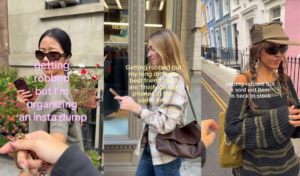
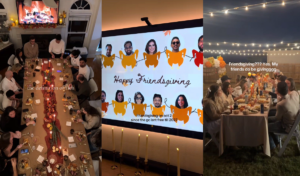
YPulse predicted that in 2025, Gen Z would seek out unexpected, sometimes surprising, low-cost and low-effort moments that bring them joy and create special memories. And that prediction couldn’t have been more spot-on. From Lorde’s surprise pop-up show that drew massive crowds with only hours’ notice, to the return of physical flyers as a way to cut through social media’s algorithmic noise, Gen Z proved this year that spontaneous, in-person connection is back. Even viral trends like “Performative Male Contests,” which built on the popularity of last fall’s lookalike contests, showed how humor and community meet IRL. Across the Atlantic, we saw hundreds to thousands of young Europeans gather for “pudding parties” in the park, ceremoniously eating the dessert with forks and filming it all for social media.
Brands caught on quickly to the offline moment hunt—like Hinge, which launched its $1M “One More Hour” campaign to sponsor affordable events in New York, L.A., and London. We know this gen values experiences over things, but price can be the final deciding factor in memory making. And while YPulse’s Experiences report shows they’re willing to spend big on concerts or once-in-a-lifetime trips, they’re also finding community and connection in these kind of gatherings without breaking the bank.
2. Bro wellness to new heights: Young men got more into viral “wellness” and aesthetic trends
When we told you to “expect to see more bro wellness and aesthetic trends start on TikTok and YouTube and spread to become mainstream trends young men are participating in off the apps,” we weren’t kidding. Over the past year, we’ve watched Gen Z men redefine what masculinity and self-care look like, turning health and wellness into something that’s both aspirational and, at times, hilariously self-aware. YPulse’s Trad Wives and Alpha Males trend report shows 65% of teen boys and 59% of young adult males agree, “Men should maintain a “masculine” appearance,” and some of that pressure is tied to strength. YPulse data shows 56% of 13-17-year-old boys and 69% of 18-24-year-old males say they have felt pressure to be stronger than they are because of their gender. A striking 74% of 13-17-year-old boys and 71% of 18-24-year-old males also agree, “Being ‘masculine’ means being strong.”
This year, we’ve seen that tension play out everywhere from boys shaving their eyelashes in rejection of anything deemed “feminine” to toxic algorithms dominating young males’ social feeds. (And making headlines in the process.) Not to mention, gym content has grown as its own cultural ecosystem, shaping how young males see themselves both online and IRL. Case in point: when influencer Ashton Hall’s six-hour morning routine went viral earlier this year, it immediately became a meme, with brands and creators poking fun at just how extreme the self-optimization trend has gotten.
The rise of protein-packed everything also perfectly mirrors how mainstream bro wellness has become. YPulse’s Food Shopping and Trends report found that “high protein” is now the top grocery label that makes 13-39-year-old males more likely to buy a product. And while it’s not strictly young males fueling the trend, it does prove Gen Z males’ obsession with optimizing their bodies. Like we mentioned earlier, the conversation around what masculinity looks like has become a cultural talking point of its own. The idea of the “modern male” is constantly being debated, memed, and “performed” online. And if this year is any indication, how young males show up—physically and digitally—isn’t just personal anymore, it’s trending.
3. Livestream’s big moment: Live shopping finally broke through to Gen Z
For years, brands have been trying to make live commerce stick. YPulse predicted that 2025 would finally be the year live shopping actually took off with Gen Z—and that it did. TikTok led the charge, hosting nonstop shopping livestreams just days before another potential U.S. ban. TikTok’s internal data shows U.S. TikTok Shop sales are up 120% year-over-year, with beauty, health, and electronics topping purchases. Even QVC joined the app, bringing its legacy shopping format to Gen Z—especially the young adults who make up TikTok Shop’s biggest user base among 13-39-year-olds. eBay followed suit with its “eBay Live Tour,” blending in-person and online events to sell everything from sneakers to collectibles, while e.l.f. became one of the first brands to test Amazon’s new shoppable Twitch ads. Even YouTube recently entered the race, partnering with TalkShopLive to let creators and brands sell directly on their livestreams without redirecting fans off-site.
We know young consumers are interested in shopping livestreams—YPulse’s Shopping and Retail report shows 27% of 13-39-year-olds have already purchased an item through a livestream. And while that’s clearly not the majority, we can expect that number to keep growing given livestream shopping combines everything Gen Z loves—authentic hosts, real-time feedback, and the thrill of instant gratification—all baked into the feeds they already scroll.
4. Newsletter influencers cashing in: More creators (and brands!) monetized longform content through Gen Z’s inbox
Just like we said in our prediction, newsletter influencers are the next big thing. As the possibility of a TikTok ban loomed earlier this year, many creators began preparing for life beyond the algorithm. They started encouraging followers to subscribe to their newsletters—a way to stay connected directly, no algorithm interference, and no platform risk. And the move paid off! This year, we saw newsletters become a new kind of digital intimacy, letting creators and fans connect through storytelling, exclusives, and unfiltered insights.
And it’s not just creators who caught on—we saw brands doing it too. Companies including The RealReal, Rare Beauty, Hinge, American Eagle, and Betches embraced newsletters to build loyal micro-communities. The RealReal’s “Real Girl” newsletter reads like a gossip email from a friend with an anonymous fan (not an employee!) spilling insider fashion secrets. Meanwhile, Rare Beauty used Substack to go deeper—sharing BTS stories, interviews with team members, and thoughtful reflections from the brand rather than product pushes. Even Betches’ CEO joined in, launching an advice column, “Please Advise,” tackling everything from motherhood to navigating male-dominated workplaces.
While it may be surprising that so many brands are using newsletters to connect with Gen Z, YPulse’s Ad / Marketing Effectiveness report shows email is the second top way teens and young adults want to communicate with brands, right behind social media. Gen Z might live on their social feeds, but they are craving more authentic, algorithm-free content. By hitting “subscribe,” they’re choosing quality over noise—and in doing so, turning long-form writing into one of the most personal, trusted spaces in digital media again.
5. Gen Z adding to cart: The impulse buy economy grew even bigger
YPulse predicted that in 2025, impulse shopping would take over Gen Z’s retail habits, and that’s exactly what we saw play out. This wasn’t about big splurges or luxury hauls; it was about finding joy in the small stuff. With inflation still looming and budgets tighter than ever, Gen Z embraced the “little treat” mindset—those small, affordable buys that spark happiness in the moment. This mindset completely took over TikTok, as young creators shared their daily dopamine buys and turned casual spending into a form of self-expression. That same energy sparked a full-on “trinketification” movement. From the uber-viral Labubu plushies to Moomin collectibles and bag charm mini Kodak cameras, Gen Z filled their shelves and feeds with accessories, comfort items, and ultimately, content props. Not to mention, coffee runs became even more ritualized—think massive coffee buckets, flavored syrups, and cross-industry coffee collabs from brands. According to YPulse’s Finance / Spending Monitor, 61% of both teens and young adults have made an impulse buy, and we saw it manifest in the smallest, happiest moments Gen Z could sip, snap, or squeeze.
6. Kids rule but adults fuel: Gen Z’s childhood faves ruled pop culture
This year, YPulse expected to see the kidulting trend get even bigger, pulling kids’ media IPs further into the limelight. Our experts told you to expect to see both Gen Z classics and rising stars take over the box offices and cultural conversations in the coming years, whether it’s at the theater, on a streaming platform, or in a game—and there’s no doubt we had this one right. This year, we saw young fans turn the Lilo & Stitch live-action remake into a nostalgic theater event, showing up in droves over Memorial Day weekend ready to dive into the positive, feel-good vibes of the beloved universe. A Minecraft Movie shattered expectations, becoming the biggest video game adaptation debut ever—and Gen Z went all in. Teens and young adults recreated the infamous “Chicken Jockey” scene, tossing popcorn, climbing on each other’s shoulders, and posting chaos videos across TikTok. Meanwhile, Netflix’s animated hit KPop Demon Hunters flipped from a streaming release to theaters thanks to fan demand, with sing-along screenings, Halloween showings, viral cosplays, and even a Grammy-nominated song, turning the movie into a full cultural moment.
Brands jumped in, too: McDonald’s served up Minecraft Happy Meals with toys and in-game rewards, NYX Cosmetics dropped blocky makeup shades inspired by Minecraft’s Creepers ahead of the film’s release, and Doritos challenged fans in the U.K. to hunt for limited-edition Minecraft square crisps.