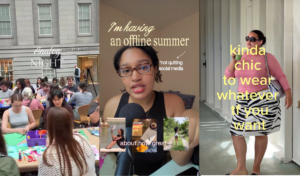
Every year, brands and dictionaries roll out their official “Words of the Year.” But more often than not, they’re reflecting the language young people use and make impossible to ignore, not just an overall cultural theme. The way the young gens speak online sets the tone for pop culture, marketing, and how everyone else describes what’s happening in the world. Even in Europe, where young consumers are speaking different languages, online slang and viral topics connect them, creating a shared culture when they look back at the year. For brands, paying attention to the words Gen Z and Millennials find...